
The Best Fluffy Pancakes recipe you will fall in love with. Full of tips and tricks to help you make the best pancakes.
How to Reduce Frizz While Styling: A Complete Guide to Smooth, Shiny Hair
Tired of Spending Time Styling Your Hair Only for Frizz to Take Over?
Few hair problems are more frustrating than finishing a beautiful blowout, sleek straight style, or defined curls—only to watch frizz appear minutes later.
Whether it’s caused by humidity, heat damage, dryness, or improper styling techniques, frizz can make hair look unruly and difficult to manage. The good news is that frizz isn’t something you simply have to accept. With the right preparation, products, and styling methods, you can dramatically reduce frizz and achieve smoother, healthier-looking hair.
If you’ve been searching for ways to keep your hair sleek during blow drying, curling, straightening, or diffusing, this guide will show you exactly how to reduce frizz while styling without weighing your hair down or relying on excessive products.
What Causes Frizz?
Before fixing frizz, it’s helpful to understand what causes it.
Frizz happens when the hair cuticle becomes raised, allowing moisture from the environment to enter the hair shaft unevenly.
Common causes include:
- Dry hair
- Humidity
- Heat damage
- Overwashing
- Rough towel drying
- Product buildup
- Excessive brushing
- Sleeping friction
- Split ends
The goal isn’t just to hide frizz—it’s to prevent it from developing during the styling process.
Why Hair Gets Frizzier During Styling
Many styling habits unintentionally make frizz worse.
Examples include:
- Using excessive heat
- Skipping heat protectant
- Styling hair that isn’t properly prepared
- Using damaged tools
- Overworking the same section repeatedly
Fortunately, small adjustments can make a noticeable difference.
Recommended Product:
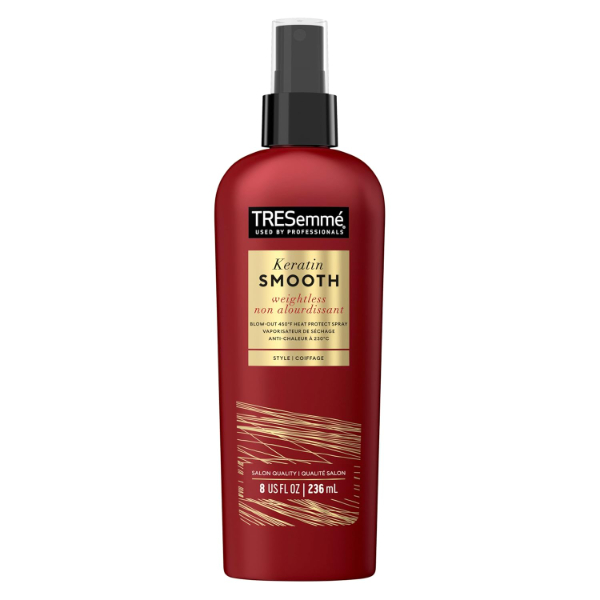
TRESemmé Keratin Smooth Heat Protect Spray
Perfect For:
- Protecting hair from humidity
- Reducing frizz before styling
- Creating a smoother foundation for blowouts
Why it works: Infused with keratin and marula oil, this multi-tasking prep mist works to seal the hair cuticle before heat is applied, locking out environmental moisture that triggers volume-swelling frizz. It provides thermal defense up to 450°F (232°C) while lubricating strands for tension-free brush gliding, leaving your hair visibly smoother, silkier, and far more manageable throughout the blowout process.
Step 1: Start with Properly Washed Hair
Frizz prevention often begins before styling.
Use products suited to your hair type.
Look For
- Moisturizing shampoos
- Smoothing shampoos
- Sulfate-free formulas if appropriate
Clean hair responds better to styling products and heat protection.
Step 2: Condition Thoroughly
Conditioner helps smooth the hair cuticle and improve moisture balance.
Focus conditioner on:
- Mid-lengths
- Ends
Allow it to sit for a few minutes before rinsing.
Hair that is adequately hydrated is generally less prone to frizz.
Step 3: Avoid Rough Towel Drying
One of the most common causes of post-wash frizz is aggressive towel drying.
Instead
Use:
- Microfiber towels
- Soft cotton T-shirts
Gently blot and squeeze excess water.
Avoid rubbing the hair back and forth.
This simple change can significantly reduce frizz.
Step 4: Apply a Heat Protectant
Heat protectants are essential when using:
- Blow dryers
- Flat irons
- Curling irons
- Blow dryer brushes
Benefits include:
- Reduced moisture loss
- Improved smoothness
- Better heat distribution
Apply evenly throughout damp hair before styling.
Step 5: Use Anti-Frizz Styling Products
Depending on your hair type, additional products may help.
For Fine Hair
Choose:
- Lightweight anti-frizz sprays
- Leave-in conditioners
For Thick Hair
Consider:
- Smoothing creams
- Frizz-control lotions
For Curly Hair
Try:
- Curl creams
- Moisturizing leave-ins
The goal is to support smoothness without creating buildup.
Read also : 25 Cute Hairstyles That Will Transform Your Look in 2026
Step 6: Detangle Carefully
Rough brushing can lift the cuticle and increase frizz.
Best Practice
- Use a wide-tooth comb or detangling brush.
- Start at the ends.
- Work upward gradually.
This reduces tension and breakage.
Recommended Product:
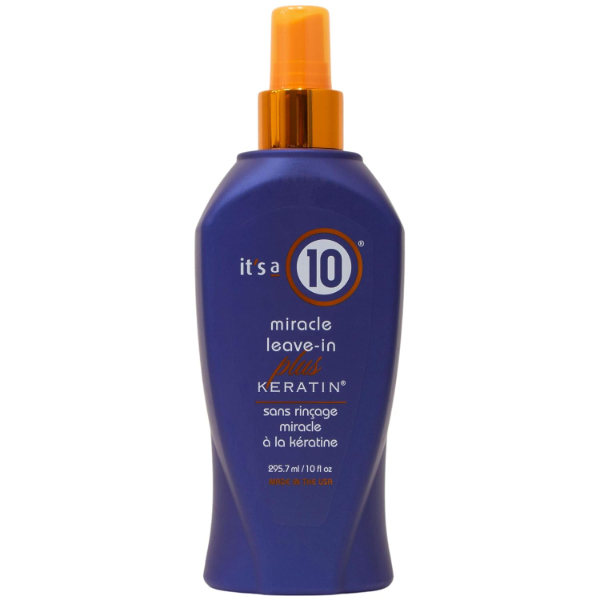
It’s a 10 Miracle Leave-In Product
Perfect For:
- Smoothing hair before blow drying
- Improving manageability
- Reducing tangles and flyaways
Why it works: Formulated with sunflower seed extract, green tea leaf extract, and silk amino acids, this cult-favorite leave-in mist instantly detangles wet locks to prevent tension breakage during brushing. It coats every strand in a lightweight moisture shield that smooths out rough cuticles, tames stubborn static, and improves hair elasticity for a fast, effortless, and sleek blow-dry session.
Step 7: Use the Right Blow Drying Technique
Blow drying is one of the biggest opportunities to reduce—or create—frizz.
Direct Airflow Downward
Always point the dryer downward along the hair shaft.
This helps smooth the cuticle.
Avoid
Blasting air randomly from all directions.
Use a Concentrator Nozzle
A nozzle focuses airflow and improves control.
Benefits include:
- Smoother finishes
- Better precision
- Less flyaway creation
Work in Sections
Sectioning helps ensure each area is dried evenly.
Smaller sections often produce smoother results.
Step 8: Choose the Correct Heat Setting
Many people assume hotter is better.
In reality, excessive heat can worsen frizz.
Fine Hair
Use lower temperatures.
Medium Hair
Use moderate temperatures.
Thick Hair
Use only the amount of heat necessary for effective styling.
The lowest effective setting is usually best.
Step 9: Don’t Overuse Heat Tools
Repeated passes with a flat iron or curling iron can dry the hair out and increase frizz over time.
Better Approach
- Work in smaller sections.
- Use proper temperature settings.
- Aim for one or two passes.
Efficient styling generally produces healthier results.
How to Reduce Frizz When Straightening Hair
If you’re using a flat iron:
Do
- Fully dry the hair first.
- Use heat protectant.
- Work in thin sections.
Avoid
- Multiple unnecessary passes.
- Maximum heat settings.
Smooth, controlled passes typically work best.
How to Reduce Frizz When Curling Hair
For curls and waves:
Use Consistent Sections
Uniform sections help create balanced curls.
Avoid Touching Hair Immediately
Allow curls to cool before brushing or separating.
Finish with Lightweight Products
Heavy products can weigh curls down.
How to Reduce Frizz When Diffusing Curly Hair
Curly hair often requires a different approach.
Key Tips
- Apply products while hair is damp.
- Minimize touching during drying.
- Use low to medium heat.
- Diffuse gently.
Excess handling can disrupt curl definition and increase frizz.
Humidity-Proofing Your Style
Humidity is one of the most common causes of frizz.
Helpful Strategies
- Use anti-humidity sprays.
- Finish with lightweight serum.
- Avoid excessive product layering.
Creating a protective barrier can help maintain smoother results throughout the day.
Recommended Product:
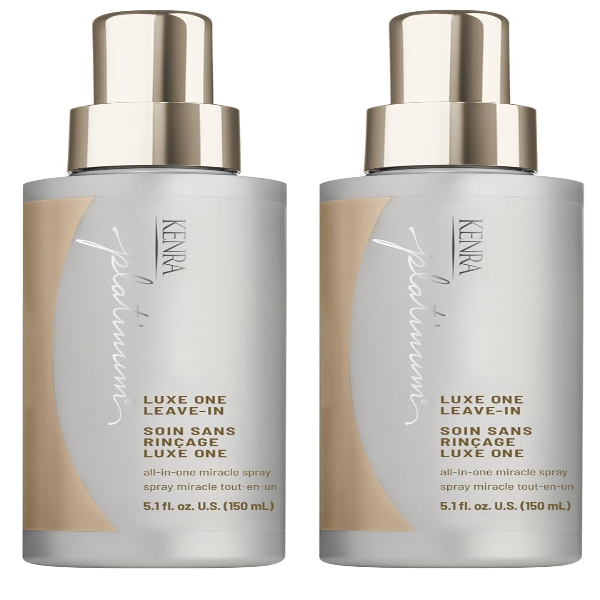
Kenra Shine Spray
Perfect For:
- Finishing styles with shine
- Blocking humidity
- Long-lasting frizz control
Why it works: Formulated as an ultra-fine, weightless finishing mist, this professional aerosol spray instantly imparts a brilliant, reflective sheen across completed styles without altering your hold or dampening your hair. It wraps styled strands in an invisible moisture-barrier veil that repels ambient humidity, tames stubborn flyaways, and keeps finished looks sleek, vibrant, and frizz-free all day long.
Common Frizz-Causing Styling Mistakes
Skipping Heat Protectant
Heat damage often contributes to ongoing frizz.
Using Dirty Tools
Product buildup on styling tools can affect performance.
Over-Brushing
Excessive brushing can roughen the cuticle.
Touching Hair Constantly
Frequent handling can create flyaways and disrupt styles.
Ignoring Hair Health
Dry, damaged hair is naturally more prone to frizz.
Long-Term Habits That Help Reduce Frizz
While styling techniques matter, daily habits matter too.
Sleep on Silk or Satin
These materials reduce friction overnight.
Trim Split Ends Regularly
Split ends often contribute to frizz and roughness.
Deep Condition Weekly
Extra moisture supports smoother hair.
Limit Excessive Heat Exposure
Giving your hair occasional breaks from hot tools can help maintain its condition.
Frizz Prevention Tips by Hair Type
Fine Hair
- Use lightweight products.
- Avoid heavy oils.
- Focus on volume and smoothness.
Thick Hair
- Prioritize hydration.
- Use smoothing creams.
- Work in smaller sections.
Curly Hair
- Maintain moisture.
- Use curl-friendly products.
- Minimize unnecessary brushing.
Color-Treated Hair
- Use color-safe products.
- Reduce excessive heat.
- Deep condition regularly.
Conclusion
Learning how to reduce frizz while styling starts with understanding that frizz prevention is a process, not a single product. Proper washing, conditioning, gentle drying, heat protection, and smart styling techniques all work together to create smoother, healthier-looking hair.
Whether you’re blow drying, straightening, curling, or diffusing, focusing on moisture, minimizing damage, and protecting the hair cuticle can dramatically improve your results. Small changes—such as switching to a microfiber towel, lowering your heat settings, or using a concentrator nozzle—can have a surprisingly big impact.
With the right routine, you’ll spend less time fighting frizz and more time enjoying smooth, polished hairstyles that last throughout the day.
Frequently Asked Questions
Why does my hair get frizzy after styling?
Frizz is often caused by dryness, humidity, heat damage, or raised hair cuticles. Improper styling techniques can also contribute.
Does heat styling cause frizz?
Excessive heat can damage the hair cuticle and increase frizz over time. Using heat protectant and appropriate temperatures helps reduce this risk.
What is the best product for frizzy hair?
The best product depends on your hair type. Common options include heat protectants, smoothing creams, anti-humidity sprays, and lightweight serums.
Should I brush frizzy hair?
It depends on your hair type. Excessive brushing can worsen frizz, particularly for curly and wavy hair.
How can I stop humidity from ruining my hairstyle?
Use anti-humidity products, seal the hair with lightweight finishing products, and maintain a healthy moisture balance within the hair.