
The Best Fluffy Pancakes recipe you will fall in love with. Full of tips and tricks to help you make the best pancakes.
How to Protect Hair from Heat Styling (Complete Beginner Guide)
Heat styling tools like flat irons, curling wands, and blow dryers can transform your hair—but without proper protection, they can also cause dryness, breakage, and long-term damage.
Whether you’re straightening, curling, or blow-drying, learning how to protect hair from heat styling is essential for maintaining healthy, shiny hair.
The reality is that most damage doesn’t come from using heat tools occasionally—it comes from using them incorrectly or without protection. Excessive heat exposure weakens the hair cuticle, leading to frizz, split ends, and dullness over time.
The good news is that with the right techniques, tools, and products, you can continue styling your hair while minimizing damage.
In this guide, we’ll break down exactly how to protect your hair from heat, step by step, so you can achieve great results without sacrificing hair health.
What Is Heat Damage?

Heat damage occurs when high temperatures break down the natural protein structure of your hair. Hair is primarily made of keratin, and when exposed to excessive heat, this protein weakens, causing the hair to lose its strength and elasticity.
Common signs of heat damage include:
- Dry, brittle texture
- Split ends
- Increased frizz
- Loss of natural shine
- Difficulty holding styles
Once severe damage occurs, it can be difficult to reverse, which is why prevention is key.
Types of Heat Styling Tools
Different tools affect your hair in different ways, and understanding this helps you make better choices.
- Flat Irons
Use direct heat to straighten hair. High temperatures can cause damage quickly if not controlled. - Curling Wands
Wrap hair around a heated barrel to create curls. Uneven heat or repeated passes can increase damage. - Blow Dryers
Use hot air to dry and style hair. Less direct than flat irons but still capable of causing damage over time. - Hot Air Brushes
Combine drying and styling. These can be gentler but still require proper heat settings.
Read also: Best Hair Straighteners Under $100: Enjoy Affordable Quality
Key Features That Help Reduce Heat Damage
- Adjustable Temperature Settings
Allows you to use only the heat you need based on your hair type. - Ceramic or Tourmaline Technology
Distributes heat evenly and reduces hot spots. - Ionic Technology
Helps smooth the hair cuticle and reduce frizz. - Auto Shut-Off
Improves safety and prevents overheating.
Common Mistakes
- Using the highest heat setting unnecessarily
- Styling wet or damp hair with a flat iron
- Skipping heat protectant products
- Repeatedly passing over the same section
- Using low-quality tools with uneven heat distribution
These mistakes significantly increase the risk of damage, even if you’re not styling daily.
How to Choose the Right Heat Protection Routine
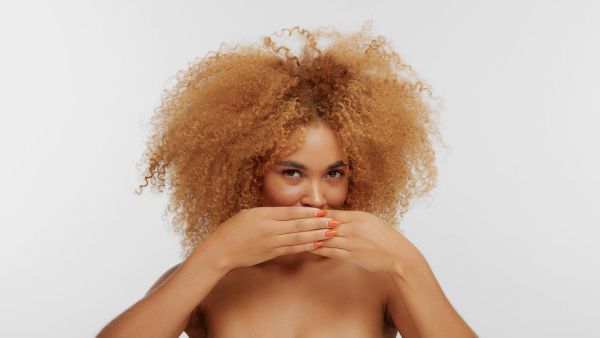
- Identify your hair type (fine, medium, thick)
- Choose tools with adjustable heat settings
- Use lower heat for fine hair and higher heat only when necessary
- Limit styling frequency where possible
- Combine proper tools with protective products
Recommended Products
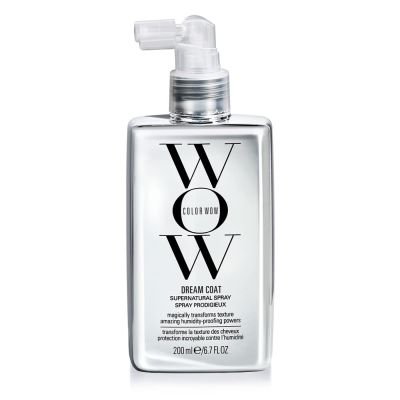
- Heat protectant spray (essential for all hair types)
- Leave-in conditioners for added moisture
- Ionic styling tools for reduced frizz
FAQs
Do I really need a heat protectant?
Yes. It creates a barrier that reduces direct heat damage.
What temperature is safe for hair?
- Fine hair: 250–300°F
- Medium hair: 300–350°F
- Thick hair: 350–400°F
Can heat-damaged hair recover?
Mild damage can improve with care, but severe damage often requires trimming.
Final Thoughts
Protecting your hair from heat styling is not about avoiding heat altogether—it’s about using it wisely. By choosing the right tools, controlling temperature, and following proper techniques, you can enjoy styled hair without compromising its health.
If you regularly use heat tools, building a simple protection routine will make a noticeable difference in the long-term strength, shine, and overall appearance of your hair.