
The Best Fluffy Pancakes recipe you will fall in love with. Full of tips and tricks to help you make the best pancakes.
How to Straighten Hair Safely at Home (Complete Beginner Guide)
Learning how to straighten hair safely at home is essential if you want sleek, smooth results without causing heat damage. Flat irons can transform your look in minutes, but improper technique, excessive heat, and poor preparation can lead to dryness, breakage, and long-term damage.
The key is not avoiding heat altogether—it’s about using the right method, temperature, and protection strategy. When done correctly, you can achieve salon-quality results at home while keeping your hair healthy, shiny, and strong.
In this guide, you’ll learn step-by-step how to straighten your hair safely, along with expert tips to reduce damage and improve results.
What Happens When You Straighten Hair?
Hair is made up of keratin proteins held together by hydrogen bonds. When you apply heat, these bonds temporarily break, allowing the hair to change shape. As the hair cools, the bonds reform, locking in the straight style.
The problem arises when heat is too high or applied repeatedly—this weakens the hair structure, leading to damage over time.
Tools You Need

Before you begin, make sure you have the right tools:
- A quality flat iron with adjustable heat settings
- Heat protectant spray or serum
- Wide-tooth comb or detangling brush
- Hair clips for sectioning
- Blow dryer (optional for pre-drying)
Using the right tools reduces the number of passes needed, which helps protect your hair.
Read also: Best Cordless Hair Straightener (2026) – Complete Analytical Guide
Step-by-Step: How to Straighten Hair Safely at Home
Step 1: Start with Clean, Dry Hair
Always begin with freshly washed hair. Dirt and oil can cause uneven heating. Make sure your hair is completely dry before using a flat iron—straightening wet or damp hair can cause serious damage.
Step 2: Apply Heat Protectant
Apply a heat protectant evenly from mid-length to ends. This creates a barrier that reduces direct heat exposure and helps retain moisture.
Step 3: Detangle Thoroughly
Use a comb or brush to remove knots. Tangled hair can snag in the flat iron, leading to breakage.
Step 4: Section Your Hair
Divide your hair into small, manageable sections. This ensures even heat distribution and reduces the need for repeated passes.
Step 5: Set the Right Temperature
- Fine hair: 250–300°F
- Medium hair: 300–350°F
- Thick hair: 350–400°F
Using the correct temperature is one of the most important steps in preventing damage.
Step 6: Use the Flat Iron Correctly
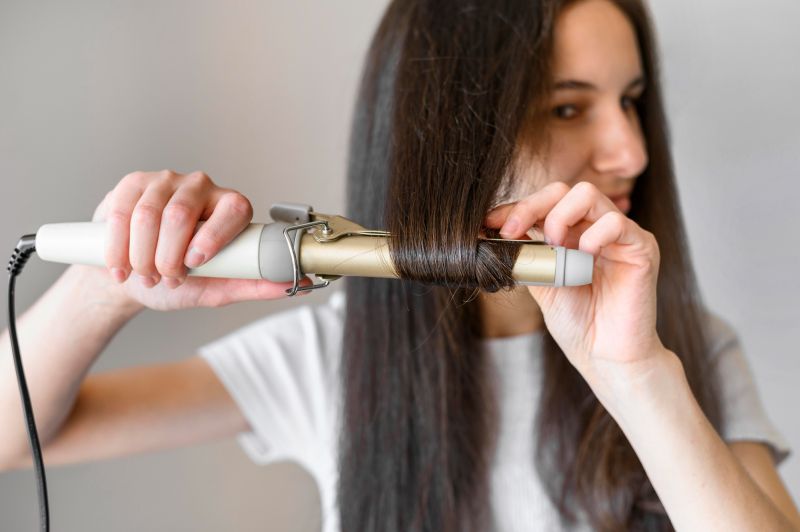
Clamp a small section of hair and glide the flat iron slowly from root to tip in one smooth motion. Avoid stopping midway, as this can cause heat spots.
Step 7: Limit Passes
Try to straighten each section in one or two passes maximum. Multiple passes increase heat exposure and damage risk.
Step 8: Finish with Cool Down
Allow your hair to cool before touching or styling further. This helps set the straight look and improve longevity.
Key Tips to Reduce Heat Damage
- Always use a heat protectant
- Avoid using the highest heat setting unnecessarily
- Don’t straighten the same section repeatedly
- Use high-quality tools with even heat distribution
- Limit how often you straighten your hair
Consistency with these habits makes a significant difference over time.
Common Mistakes
- Straightening damp or wet hair
- Skipping heat protection
- Using excessive heat
- Working with large sections (leads to repeated passes)
- Using old or low-quality flat irons
Avoiding these mistakes will dramatically improve your results and protect your hair.
How Often Should You Straighten Your Hair?
For most people, 2–3 times per week is a safe limit. Daily straightening increases the risk of damage, especially without proper care.
If you need frequent styling, consider using lower heat settings and protective products.
Recommended Products
- Heat protectant sprays (essential for all users)
- Leave-in conditioners for added moisture
- High-quality flat irons with adjustable heat
FAQs
Can I straighten my hair every day?
It’s not recommended. Frequent heat exposure can lead to damage over time.
What is the safest temperature for straightening hair?
It depends on your hair type, but generally between 250°F and 400°F.
Do expensive flat irons make a difference?
Yes. Higher-quality tools provide even heat, reducing the need for multiple passes.
Can heat-damaged hair be repaired?
Mild damage can improve with proper care, but severe damage may require trimming.
Final Thoughts
Straightening your hair at home doesn’t have to lead to damage. By following the right steps—preparing your hair, using proper heat settings, and applying protection—you can achieve smooth, professional-looking results safely.
The key is consistency. Small habits like sectioning your hair properly, limiting heat exposure, and using quality tools will help maintain healthier, stronger, and shinier hair over time.