The Best Fluffy Pancakes recipe you will fall in love with. Full of tips and tricks to help you make the best pancakes.
How Often Should You Replace Hair Tools? (Beginner Guide)
Hair tools like flat irons, curling wands, and blow dryers are essential for everyday styling—but many people overlook one critical factor: when to replace them. Using old or worn-out tools doesn’t just affect your results; it can also lead to uneven heat, increased frizz, and even long-term hair damage.
If your styling routine suddenly feels less effective, your tool—not your technique—might be the problem. Over time, heating elements degrade, plates wear out, and temperature control becomes less reliable. This means you may be exposing your hair to inconsistent or excessive heat without realizing it.
Understanding how often to replace hair tools helps you maintain better styling results, protect your hair, and avoid unnecessary damage. In this guide, we’ll break down everything you need to know—from lifespan expectations to warning signs and smart replacement strategies.
What Are Hair Tools?
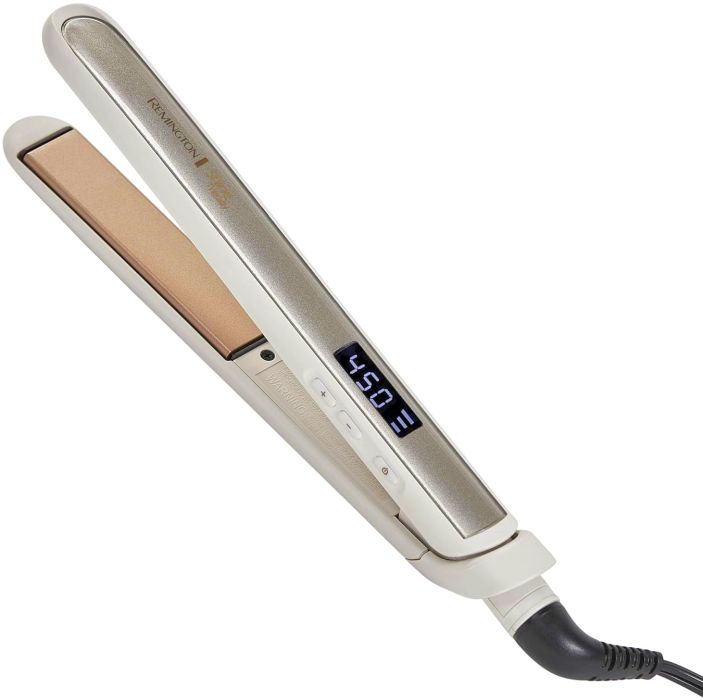
Hair tools refer to any electrical styling devices that use heat or airflow to shape your hair. These include:
- Flat irons (hair straighteners)
- Curling wands and curling irons
- Blow dryers
- Hot air brushes
- Multi-stylers (all-in-one systems)
Each of these tools relies on consistent heat distribution and proper temperature control to work effectively. When those elements start to fail, performance drops—and damage risk increases.
Types of Hair Tools and Their Lifespan
Different tools wear out at different rates depending on how often you use them and their build quality.
- Flat Irons
Average lifespan: 2–4 years
Plates can wear down over time, leading to uneven heat and snagging. - Curling Wands
Average lifespan: 2–3 years
Heating elements may weaken, causing inconsistent curls. - Blow Dryers
Average lifespan: 3–5 years
Motors can lose power, increasing drying time and heat exposure. - Hot Air Brushes
Average lifespan: 2–3 years
Combination of airflow and heat makes them wear out faster. - Multi-Stylers
Average lifespan: 3–5 years
More complex systems may last longer but depend heavily on maintenance.
Key Signs You Need to Replace Your Hair Tools

- Uneven Heating
If your tool creates inconsistent results or requires multiple passes, the heating element may be failing. - Snagging or Pulling Hair
Worn-out plates or coatings can damage hair and cause breakage. - Longer Styling Time
If it takes significantly longer to achieve the same results, performance has likely declined. - Burning Smell or Overheating
This is a clear warning sign that the tool is no longer safe to use. - Visible Damage
Cracks, exposed wires, or peeling plates indicate it’s time for a replacement.
Read also: Best Heat Protectant for Fine Hair: 5 Weightless Lab Picks
Why Replacing Hair Tools Matters
Using outdated tools can silently damage your hair over time. Even if the tool still “works,” it may not be working correctly.
Replacing your tools on time helps you:
- Maintain consistent styling results
- Reduce heat damage
- Improve efficiency (faster styling)
- Protect your hair’s natural shine and strength
Investing in a new tool can actually save time and improve hair health in the long run.
Common Mistakes
- Keeping tools for too many years without checking performance
- Ignoring early warning signs like uneven heat
- Buying very cheap tools that wear out quickly
- Not cleaning tools, which shortens lifespan
- Using tools daily without proper maintenance
How to Choose the Right Replacement
When replacing a hair tool, consider:
- Your hair type (fine, medium, thick)
- Frequency of use
- Desired styling results
- Features like adjustable heat and plate material
Look for tools with:
- Consistent heat technology
- High-quality materials (ceramic, titanium, tourmaline)
- Safety features like auto shut-off
Recommended Upgrade Strategy
Instead of waiting for complete failure, a smarter approach is:
- Replace frequently used tools every 2–3 years
- Upgrade to better technology when available
- Rotate between tools to reduce wear
This ensures your styling routine remains efficient and safe.
FAQs
How do I know if my flat iron is too old?
If it heats unevenly, pulls your hair, or takes longer to work, it’s time to replace it.
Can old hair tools damage hair?
Yes. Worn-out tools often produce uneven or excessive heat, which increases damage risk.
Do expensive tools last longer?
Generally, yes. Higher-quality tools tend to have better durability and heat consistency.
Should I replace my hair dryer if it still works?
If it takes longer to dry your hair or overheats, it’s best to replace it even if it still turns on.
Final Thoughts
Replacing your hair tools at the right time is one of the simplest ways to protect your hair and improve your styling results. While it’s easy to keep using a tool as long as it powers on, performance and safety often decline long before it completely stops working.
By paying attention to warning signs and upgrading when necessary, you can maintain healthier hair, reduce styling time, and get better results with less effort.
If you rely on heat styling regularly, treating your tools as replaceable essentials—not lifetime devices—will make a noticeable difference in both your routine and your hair health.