
The Best Fluffy Pancakes recipe you will fall in love with. Full of tips and tricks to help you make the best pancakes.

Using the right flat iron temperature is one of the most important factors in achieving smooth, long-lasting results without damaging your hair. Many people assume that higher heat always leads to better styling, but this is not true—especially when it comes to protecting your hair’s health over time.
Different hair types require different heat settings. Fine hair can become damaged quickly under high temperatures, while thick or coarse hair often needs more heat to style effectively. Using the wrong setting can lead to problems like breakage, dryness, frizz, or styles that don’t last.
This flat iron temperature guide is designed to help you understand exactly what heat setting you should use based on your hair type and styling goals. Whether you have fine, thick, curly, or damaged hair, you’ll learn how to choose the right temperature for safe and effective styling.
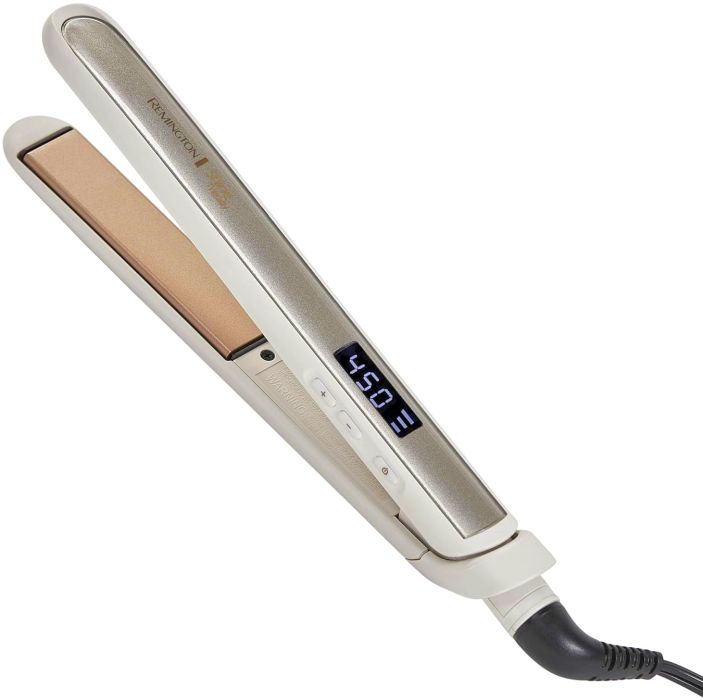
What Is Flat Iron Temperature?
Flat iron temperature refers to how hot the plates of your straightener get during use, typically measured in degrees Fahrenheit. Most flat irons range from around 250°F to 450°F, with adjustable settings that allow you to control how much heat is applied to your hair.
The purpose of heat is to temporarily break down the hydrogen bonds in your hair so it can be reshaped—whether you’re straightening, curling, or waving. Once the hair cools, it holds the new shape. However, too much heat can weaken the hair structure over time, leading to dryness and breakage.
For this reason, the goal is not to use the highest temperature possible, but rather the lowest effective temperature that gets the job done in one or two passes.
Recommended Temperature by Hair Type
Choosing the correct temperature depends largely on your hair type, texture, and condition.
Fine or Thin Hair (250°F – 320°F)
Fine hair is more fragile and heats up quickly, so it requires lower temperatures.
- Use low to medium heat
- Avoid going above 320°F unless necessary
- Focus on slow, controlled passes rather than increasing heat
Normal or Medium Hair (300°F – 375°F)
This hair type can handle moderate heat while still maintaining health.
- Start around 320°F and adjust as needed
- Works well with most ceramic flat irons
- Aim for one to two passes per section
Thick or Coarse Hair (350°F – 450°F)
Thick hair needs higher heat to style effectively.
- Use higher temperatures for best results
- Choose a flat iron with consistent heat output
- Work in sections to reduce the need for repeated passes
Curly or Textured Hair (350°F – 420°F)
Curly hair often requires more heat to straighten, depending on density.
- Use medium-high heat with good heat protection
- Avoid excessive passes over the same section
- Consider titanium plates for better efficiency
Damaged or Color-Treated Hair (250°F – 300°F)
Hair that has been chemically treated or is already damaged needs extra care.
- Stick to low heat settings
- Use a heat protectant every time
- Avoid daily use of flat irons
Using the correct temperature for your hair type helps you achieve better results while minimizing long-term damage.
Read also: Best Flat Iron for Thick Hair (2026) – 4 Great Options!
Key Features
Understanding how flat irons manage heat will help you choose the right setting and avoid unnecessary damage.
- Adjustable Temperature Control
A flat iron with adjustable settings allows you to match the heat to your hair type. Fixed-heat tools are less flexible and can either be too hot or not effective enough. - Plate Material (Ceramic vs Titanium)
Ceramic plates provide even, gentle heat, making them ideal for fine or damaged hair. Titanium plates heat up faster and maintain higher temperatures, which is better for thick or coarse hair. - Digital vs Dial Controls
Digital displays offer more precise temperature adjustments, while dial controls are simpler but less exact. - Heat Consistency
A good flat iron maintains steady heat throughout use. Inconsistent heat leads to uneven styling and forces you to make multiple passes. - Plate Size
Wider plates cover more hair at once and are better for thick hair, while narrower plates offer more control for short or fine hair.
Common Mistakes
Using the wrong technique can damage your hair even if you choose the correct temperature.
- Using Maximum Heat by Default
Many users go straight to the highest setting, which increases the risk of damage without improving results. - Going Over the Same Section Multiple Times
Repeated passes cause more damage than using a slightly higher temperature once. - Skipping Heat Protectant
This exposes hair directly to heat, increasing dryness and breakage. - Using a Flat Iron on Damp Hair
Unless the tool is specifically designed for wet use, this can cause severe damage. - Not Sectioning Hair Properly
Large sections lead to uneven heat distribution and poor results.
How to Choose the Right Temperature
Follow these steps to find your ideal heat setting:
- Start with the lowest recommended temperature for your hair type
- Test on a small section of hair
- Increase heat gradually if needed
- Aim to style each section in one or two passes
- Stop increasing heat once you achieve consistent results
The goal is to balance effectiveness with protection. If your hair straightens easily at a lower temperature, there is no benefit in going higher.
Recommended Products
To get the best results, use a flat iron that matches your hair type:
- For thick hair: BaBylissPRO Nano Titanium Flat Iron – high heat and fast performance
- For fine or damaged hair: Remington Shine Therapy Flat Iron – gentle heat with smooth results
- For balanced performance: HSI Professional Glider – adjustable heat and versatility
- For premium control: ghd Platinum+ Styler – consistent temperature with reduced damage
These options provide the flexibility needed to apply the correct temperature safely and effectively.
FAQs
Is higher temperature always better for styling?
No. Higher heat can cause damage without improving results. Use the lowest effective temperature.
What happens if I use too much heat?
Excessive heat can lead to dryness, split ends, and breakage over time.
Can I straighten my hair at 450°F every day?
It’s not recommended. Frequent use of high heat increases the risk of long-term damage.
How do I know if my temperature is too high?
If you notice burning smells, excessive dryness, or brittleness, the heat is likely too high.
Final Thoughts
Choosing the right flat iron temperature is one of the simplest ways to protect your hair while still achieving great styling results. Instead of relying on maximum heat, focus on using the right setting for your hair type and working with proper technique.
When you combine the correct temperature with a quality flat iron and good styling habits, you can achieve smooth, long-lasting results without compromising your hair’s health.
